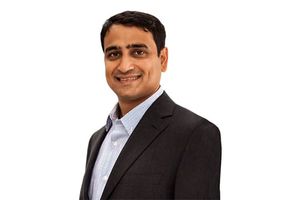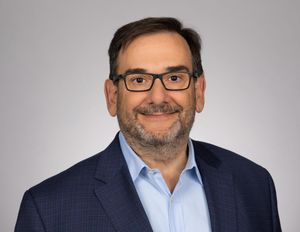

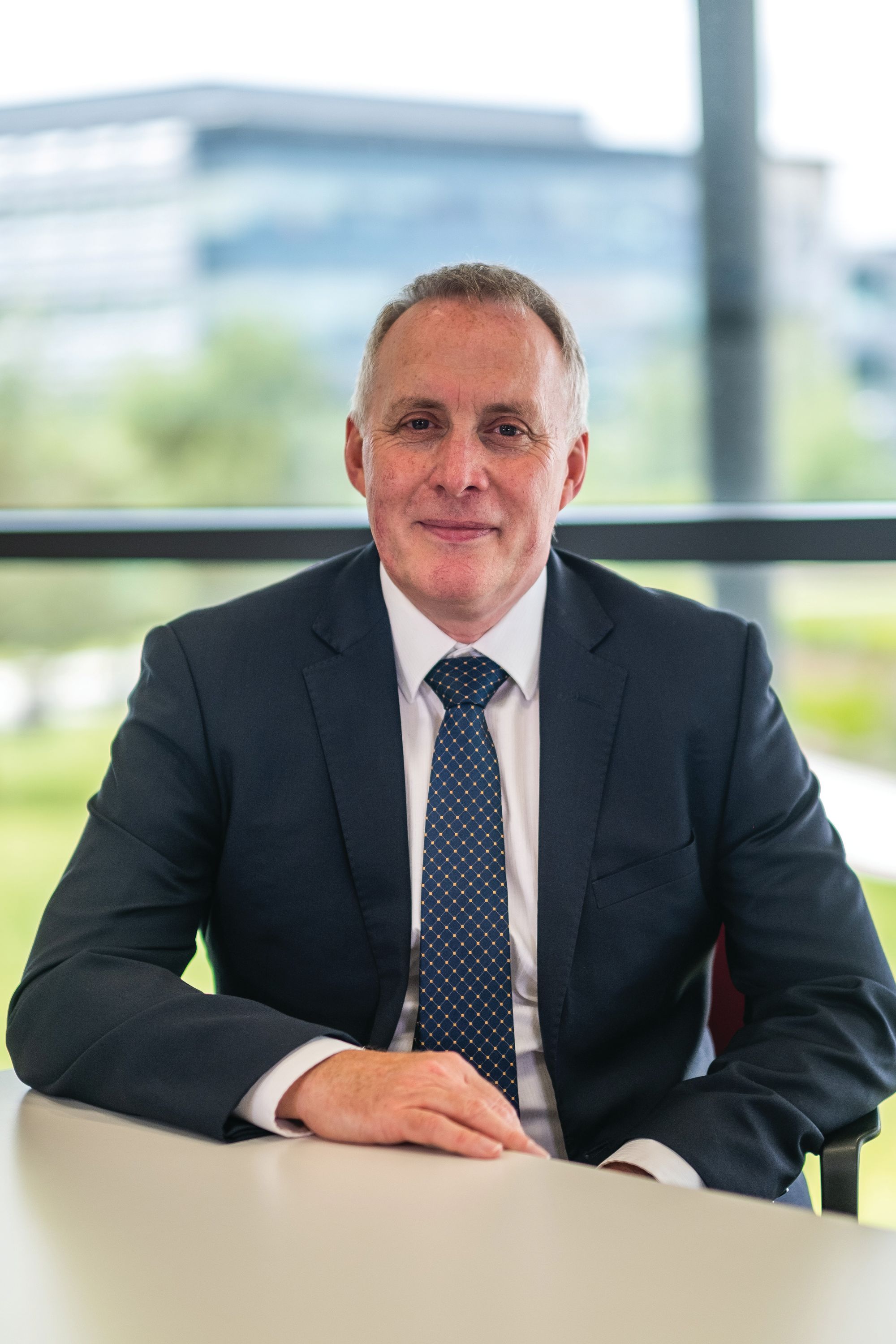
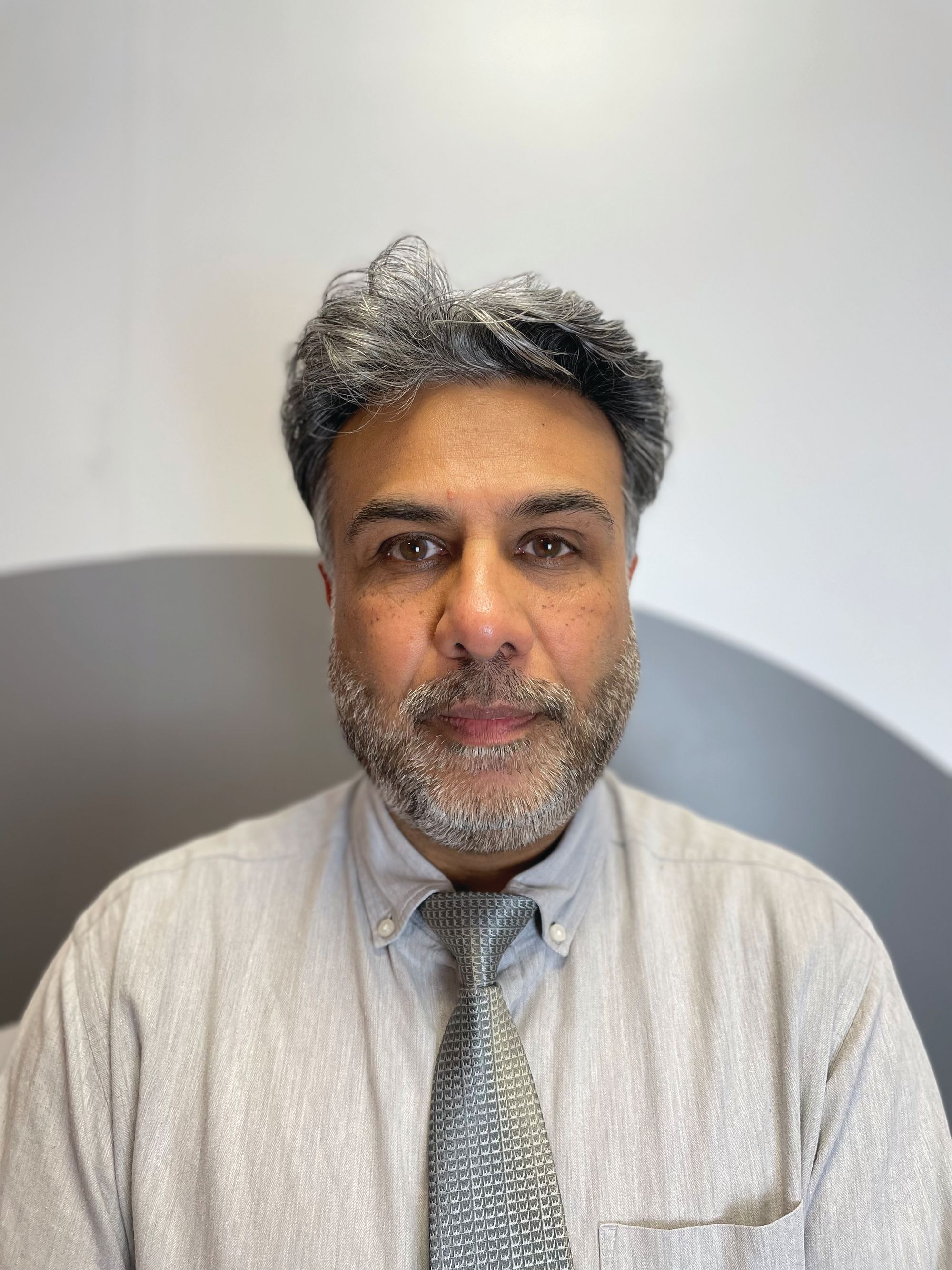
Left: Andy Takle, VP and Head of Hatfield Research Laboratories / Right: Ajay Angris, Senior Director, UK Research Operations
I understand that Eisai EMEA has been operational at the EMEA Knowledge Centre since 2009. Has the space always been used to accommodate R&D, production and HQ facilities?
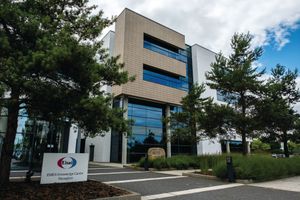
In 2005 Eisai took the decision to establish a manufacturing presence in Europe and the construction of a campus facility north of London commenced. The EMEA Knowledge Centre (EKC), as the campus facility is now known, was opened in 2009 providing manufacturing, research and headquarter office facilities. The EKC provides an operating base for a number of organisations: Eisai Europe Ltd. (EEL), Eisai Manufacturing Ltd., and Eisai Ltd., which together cover the functions of manufacturing, Research and Development (R&D), (both discovery and clinical development), commercial, quality and other support and shared services. The EKC is Eisai’s only UK facility and the European headquarters of Eisai.Was the Hatfield site chosen because it offered you a single site solution? If so, why was this important?
As a multi-themed campus facility, a key objective of the EKC is to foster and promote knowledge creation throughout the staff based on site. The EKC supports the entire drug development process from discovery through to manufacture and sale. A particular objective of the EKC is, therefore, to provide a safe, secure, efficient and adaptable environment for a variety of staff together with facilities to encourage teamwork, communication and understanding.Does the Hatfield model mirror your international facilities or, if not, how does it differ?
EKC is unique within Eisai and is the only site, globally, that has all disciplines, R&D, manufacturing, commercial and support functions on one campus.What advantages does the single site operation deliver?
The ‘knowledge centre’ concept revolves around shared learning and collaboration with the objective on all business units focusing on achieving our human health care philosophy (hhc). The site allows seamless communication between our clinical, medical and pharmacovigilance teams, clinical trial supplies, development, quality assurance, manufacturing, and Discovery.Are you able to give me the rough division of space allocated R&D, production, and HQ / admin facilities?
The site was opened and occupied in 2009 and comprises 14.5 acres (5.9ha) with eight buildings.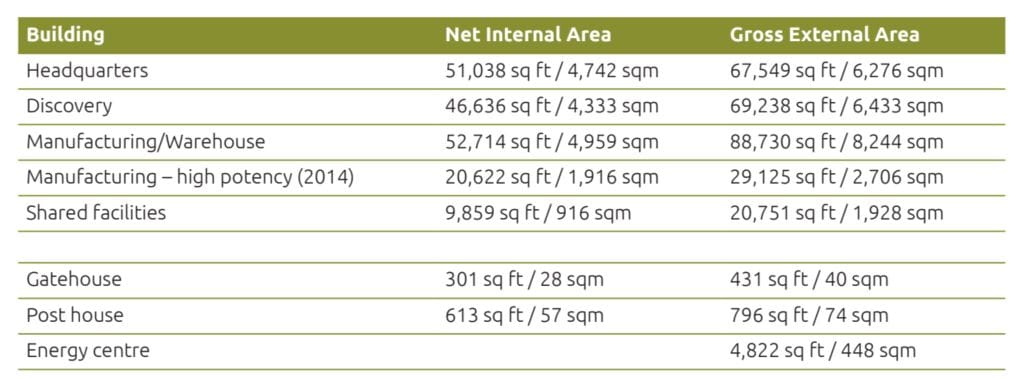
Has this overall allocation of space changed since 2009?
The manufacturing building was extended in 2014 to accommodate an additional packaging line and further internal work completed in 2021 to install two further lines. In 2016 parts of the Discovery building were leased to third parties with the tenants occupying several laboratory and office areas within the building. In 2021 a project to construct new laboratory areas commenced, which were handed over to our tenants in 2022 allowing expansion of the space and both their and Eisai’s activities.In addition to the packaging facility (31,213 sq ft / 2,900 sqm) that opened in 2014, have you added any further accommodation to the site and, if so, what does this comprise?
We have completed fit out / adaptations to the existing space and we are currently assessing plans for the further expansion of the manufacturing and warehouse facilities which are subject to planning approvals.Focus on R&D space: is the R&D space divided for different uses, e.g., wet labs, dry labs, clean space, write-up space etc.?
Yes, due to the nature of the early discovery work undertaken within the R&D facility all the lab spaces are designated as wet labs. Besides the laboratories, the facility has open plan write up areas, offices, meeting rooms and specialised storage rooms. There are no dedicated dry labs.Are wet labs becoming less important as data analytics and AI become more prevalent? How are you providing flexibility of space within the R&D facility?
No, not for the work undertaken within our R&D facility. However, data analytics is very important to our research and does require more space utilisation and embedding within our wet labs. Lab-based activity is now being supported by more advanced equipment and, therefore, linkage via a lab-based IT infrastructure is becoming increasingly critical. Flexibility within our labs is key to agile R&D. Flexibility features included within our facility include plumbed services located on the perimeter of the lab areas, mobile lab work benches, power, IT, gas, and vacuum supply provided via drop-down pods allowing for flexible re-configuration and placement of equipment.How has the way that your scientists and technicians use the R&D space changed over the years (since occupation in 2009)?
In 2015 Eisai established a unique relationship with a Contract Research Organisation (CRO) providing medicinal and synthetic chemistry support. This CRO occupies part of the chemistry laboratories and provides services to Eisai scientists in both EKC and further afield in Japan. Improvements in information and communication technology on site have ensured that chemists located in EKC can interact effectively with Eisai staff in Japan. In addition, the CRO has become fully integrated within the building and the Eisai structure and has become a vital part of our research operations. Also, the function of some of the ‘as-built’ labs within the facility has changed and these labs have now been repurposed.What challenges have you faced in accommodating the requirements of your R&D team to meet their specific lab / office / flexi-space needs?
As mentioned, building new wet labs within the existing footprint of a fallow area presented multiple challenges. Firstly, the issues around the actual building schedule and works are compounded when building within an operational facility. Secondly,lab services and utilities connections are required from existing services and supplies. Thirdly, there are the additional Mechanical and Electrical (M&E) validation studies required to ensure existing plantroom systems (e.g., Heating, Ventilation, and Air Conditioning (HVAC)) are adequate to handle extra load and lastly the required end commissioning exercises for the new labs whilst ensuring the existing facility remained stable. On a general note, the above ceiling design (from M&E fit out) is a challenge to flexibility as is the need for a stable and central Uninterrupted Power Supply (UPS), especially with labs employing more complex and sensitive equipment.
How has the design of the R&D space adapted to the changing needs of the business?
Most of our laboratories, are classed as ‘standard use’ and the function will not change. However, science and technology are moving at a fast rate and what was once considered normal practice can become outdated. Therefore, within our R&D space, we have re-purposed laboratory areas that were used for a specific function but are now no longer required due to newer techniques becoming available. An example of this would be the decommissioning of our radioisotope laboratory as newer and safer tracers and markers became available.Have there been any specific demands that have required changes to the building itself, e.g., floor loadings, fume extraction, power, lighting, dedicated goods lifts, hazardous waste storage and so on...?
Despite the extra load put on the existing M&E systems for the fallow area fit-out no major changes to the building systems were required. However, since taking up occupation, changes to the lighting system (change to LED lights), increased low level air extract (with liquid nitrogen storage) and more power supplies have been made within the R&D facility.How can the physical / built environment encourage better innovation amongst your scientists?
The building needs to be sufficiently flexible to accommodate new technologies, adaptable to changes in use, and provide appropriate non-laboratory space to facilitate interdisciplinary collaboration (including interactive digital communication tools).In terms of driving innovation, how important is cross-discipline research and why?
Drug discovery is a multidisciplinary endeavour. Alldrug discovery projects consist of cross-disciplinary matrix teams to define project strategy, share data and conduct wet-lab science of each specialist discipline. Multi-disciplinary collaborative working is also essential to create truly innovative solutions to the challenges faced by project teams.