

Owner-occupier viewpoint
What are the advantages of a sale and leaseback?
For the owner-occupier, a sale and leaseback arrangement can have several advantages, including:
Improved cash flow: the seller receives a lump sum of cash from the sale of the property, which can be used to pay off debt, invest in other more
profitable assets, or invest in the business.
Flexible financing: the sale and leaseback arrangement can provide the seller with an alternative form of financing, which can be useful if
traditional financing options are not available or desirable.
Tax benefits: the lessee may be able to claim tax deductions for the lease payments, which can help to reduce the overall cost of the arrangement.
Reduction in risk: the sale of the property can help to reduce the seller’s exposure to risks such as property market fluctuations, natural disasters, and changes in local zoning laws.
Improved ability to focus on core business: the seller can focus on their core business operations and leave the property management and maintenance to the lessee.
A sale and leaseback may be considered in these situations:
• When the owner-occupier is seeking an alternative to expensive debt.
• When capital is needed for growth.
• When the company is undergoing a corporate restructuring or considering a
bankruptcy.
• When packaging a business for sale.
What are the disadvantages of a sale and leaseback arrangement?
A sale and leaseback arrangement can have several disadvantages, including: Loss of control: the seller loses ownership of the property but typically retains rights as the lessee to use the property in the same way as it did when it was the owner. Higher costs: lease payments may be higher than the equivalent loan interest payments. Lack of appreciation: the seller will no longer benefit from any appreciation in the value of the property. Tax implications: sale and leaseback arrangements may have tax implications, such as capital gains taxes on the sale of the property.The buyer’s perspective
Advantages
For the buyer of the property, a sale and leaseback may present a convenient way to access a business sector where operators tend to own their real estate rather than renting it. Buyers in a sale and leaseback transaction are often real estate investors seeking stable, low-risk investments. The ability to agree a lease with fixed inflation-linked uplifts provides greater certainty of long-term income. As a result, buyers can rely on a predictable rate of return. In some cases, the buyer can negotiate the lease with the tenant, which can offer certain benefits when compared to purchasing an already occupied property. For example, a landlord can negotiate a triple-net lease, which ultimately reduces all of the landlord’s responsibility for the property. With the seller-tenant now responsible for taxes, maintenance, and property insurance, the buyer-landlord has a near passive investment.Disadvantages
The risks for the buyer in a sale-leaseback transaction are like those in other real estate investments. The buyer has in some respects invested in the business that occupies the property. If that business fails and defaults on the loan, the landlord may end up with a vacant property. In this scenario, they need to lease the asset and may be required to pay tenant improvements in order to get a qualified tenant to take over the space.Transacting in a sale-leaseback
Both seller-tenants and buyer- landlords should consider taking professional advice when considering a sale-leaseback transaction. Those who have experience can help tenants and landlords navigate lease negotiations, research possible risks and setbacks, conduct market suitability, and much more. As noted above, a sale-leaseback arrangement offers mutual benefits to both the seller-tenant and buyer-landlord if structured and implemented appropriately. Due to the increased volatility and uncertainty in the global economy, sellers are increasingly looking to unlock value in their assets but also retain possession of the property. This is sometimes called an “asset lite” strategy. Chris Nichols, Managing Director and Head of Sale & Leaseback at ICG points out that if a company’s core business can generate profits of 15 per cent to 20 per cent, it makes sense to allocate capital into the core business and away from real estate, where returns are likely to be in the 6 per cent to 8 per cent range.What happens after the lease term?
All leases end, and in a sale-leaseback arrangement, the end of the term can result in two scenarios: the tenant either renews the lease or vacates the property. Determining which scenario will occur is nearly impossible due to market conditions, business success or failure, and other factors. With all this uncertainty, business owners and investors would be wise to consider a few key things before executing a sale-leaseback agreement. Most importantly, both parties should consider the location. Tenants should ask themselves whether the location is suitable for their current operations and future growth. Landlords, on the other hand, should ask whether the location can be leased or if there is alternative use value, if the seller-tenant vacates the space. Both parties should also consider traffic count, demographics, zoning, quality of the asset and other factors to determine the future feasibility of the site.Does the cost of capital affect a sale and leaseback arrangement?
Cost of capital can affect a sale and leaseback arrangement in several ways. First, the cost of capital for the entity that is selling the property and then leasing it back can impact the decision to pursue a sale and leaseback. If the cost of capital is high or supply of capital is constrained, the entity may be more inclined to enter into a sale and leaseback arrangement in order to raise cash at a lower cost than in the equity or bond markets. Real estate advisory company, Jones Lang LaSalle Incorporated (JLL) has noted that decreases in the valuation of listed biotech stocks and the slowdown of venture capital at the start of 2022 led to a greater focus on capital efficiency. For some large pharma and biotech companies this could encourage sale and leaseback deals with the intent to free up equity. Second, the cost of capital for the entity that is purchasing the property can also affect the sale and leaseback arrangement. If the cost of capital for the purchaser is low, they may be more willing to purchase the property and enter into a lease agreement with the seller. A higher cost of capital for the purchaser may lead to a lower sale price for the property.Examples from the life sciences sector in Europe
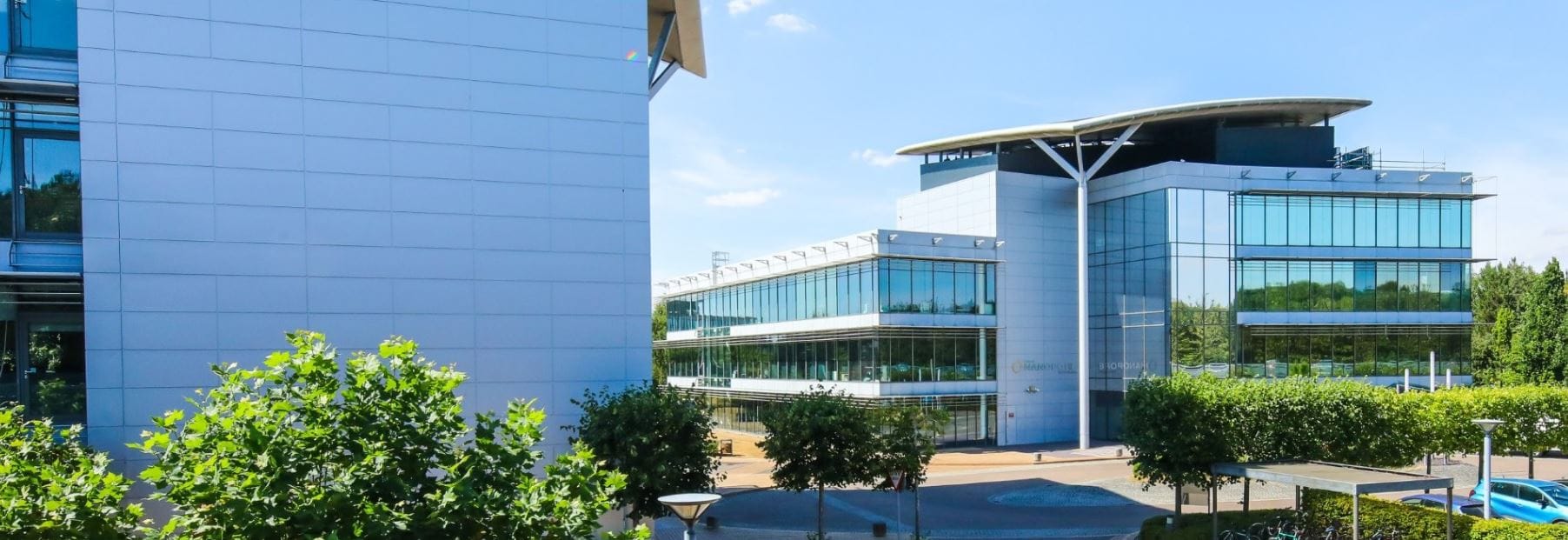
Gosling Building, Oxford
In July 2022 Oxford Nanopore Technologies plc, the company behind a new generation of molecular sensing technology based on nanopores, has completed the sale of its interest in the Gosling Building to The Oxford Science Park (Properties) Limited (TOSP) for £42.5 million (€48.5 million). On completion of the sale, TOSP immediately granted Oxford Nanopore an occupational lease of the property for 10 years at a rent of £1.8 million (€2.1 million) per annum. Tim Cowper, Chief Financial Officer of Oxford Nanopore,said: “We are pleased to have agreed the sale and leaseback of our headquarters building. The proceeds will be used for continued development of our core business.” Oxford Nanopore moved into The Gosling Building in 2018.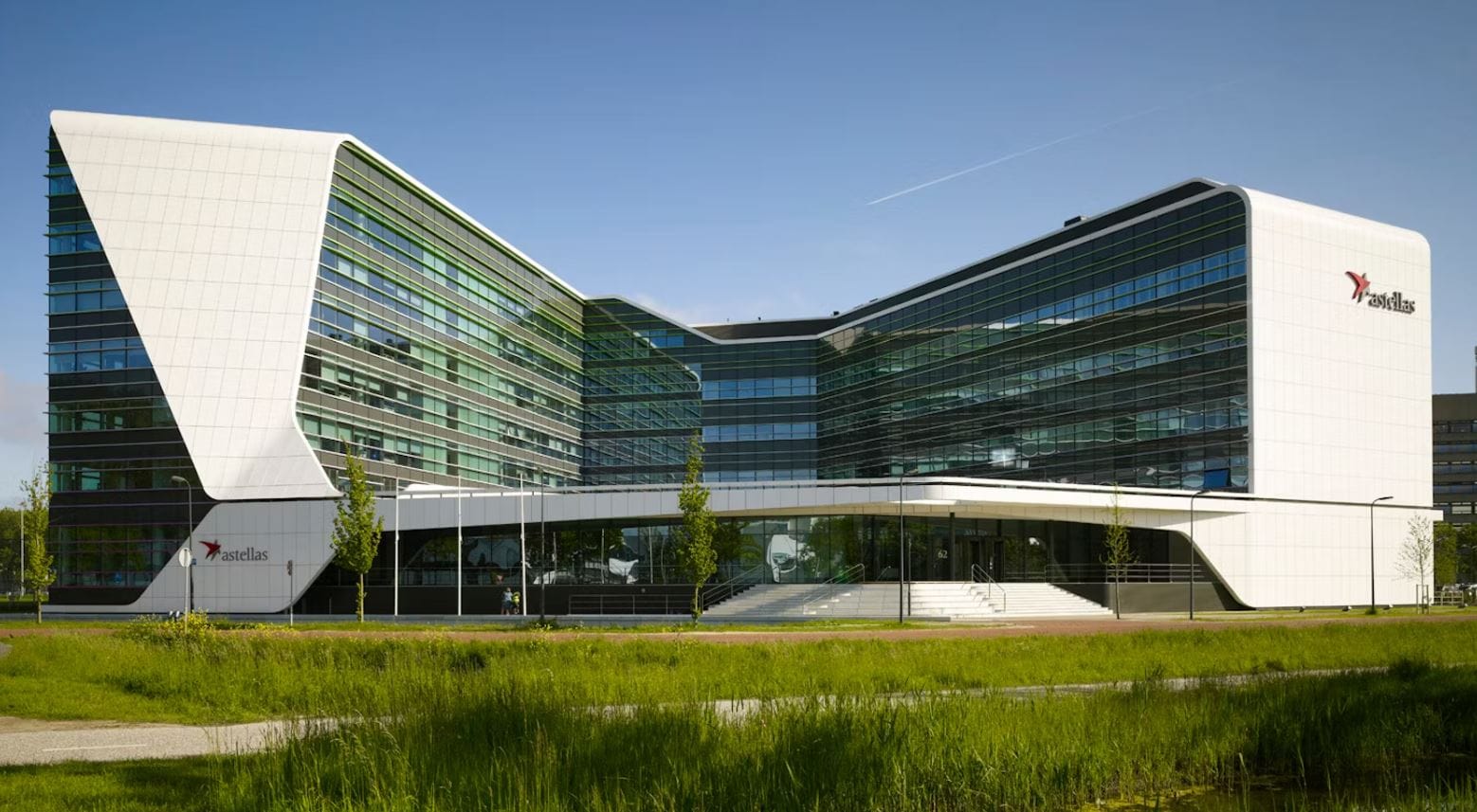
Mirai House, Leiden
In January 2021 Fidelity International bought a research and development property at Leiden Bio Science Park in the Netherlands for €54 million (£47.4 million). The purchase of Mirai House from Japanese pharmaceuticals maker Astellas reflects Fidelity’s move into the life science sector, which the firm said offered long-term and stable income. Maarten Frouws, investment manager at Fidelity International, believes the Leiden Bio Science Park is one of the best developed science parks in Europe. He noted further that this defensive investment in a growth market offers their investors a very stable return and demonstrates the shift in investor demand from mainstream real estate sectors to more thematic investments. (Maarten was interviewed in an earlier edition of Life Sciences Real Estate. He also participated in our networking event last November, which took place just a stone’s throw from Mirai House). Mirai House, which has a surface area of around 15,000 sq m (161,460 sq ft), is occupied by tenants with leases ranging from 10 to 15 years, including the Netherlands Centre for the Clinical Advancement of Stem Cell and Gene Therapies. The asset was bought on behalf of the Fidelity Eurozone Select Real Estate Fund, the firm’s flagship real estate fund. Astellas has leased back the building’s office wing.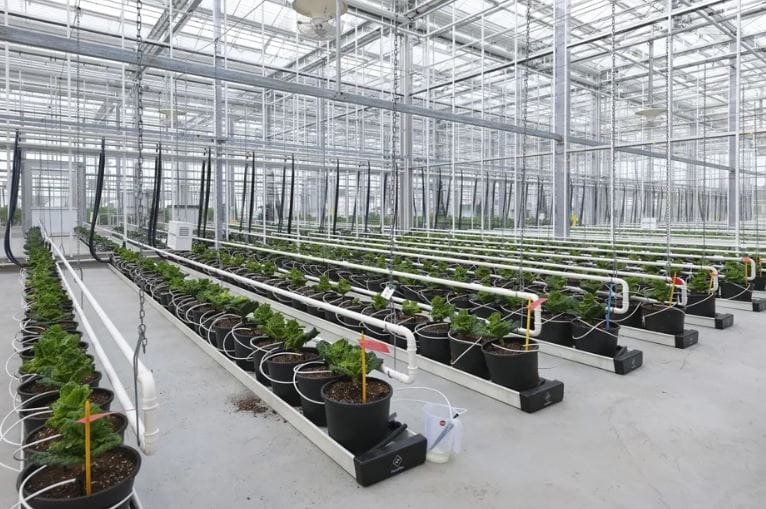
Westeinde 62, Einkhuizen
In March 2021 Intermediate Capital Group (ICG) acquired Syngenta’s Seeds R & D and production facility in Enkhuizen, Netherlands, by way of a 20-year absolute triple-net sale and leaseback. The 89,000 sq m (957,996 sq ft) facility is in the heart of Seeds Valley, a cluster of research and development facilities focused on developing and producing plant and seed varieties. Syngenta is a leading agrochemical and seeds business headquartered in Basel, Switzerland and reinvests c. 10 per cent of annual sales in R&D. In recent years, Syngenta has made significant investments into the Enkhuizen facility and plans to further expand it in the future.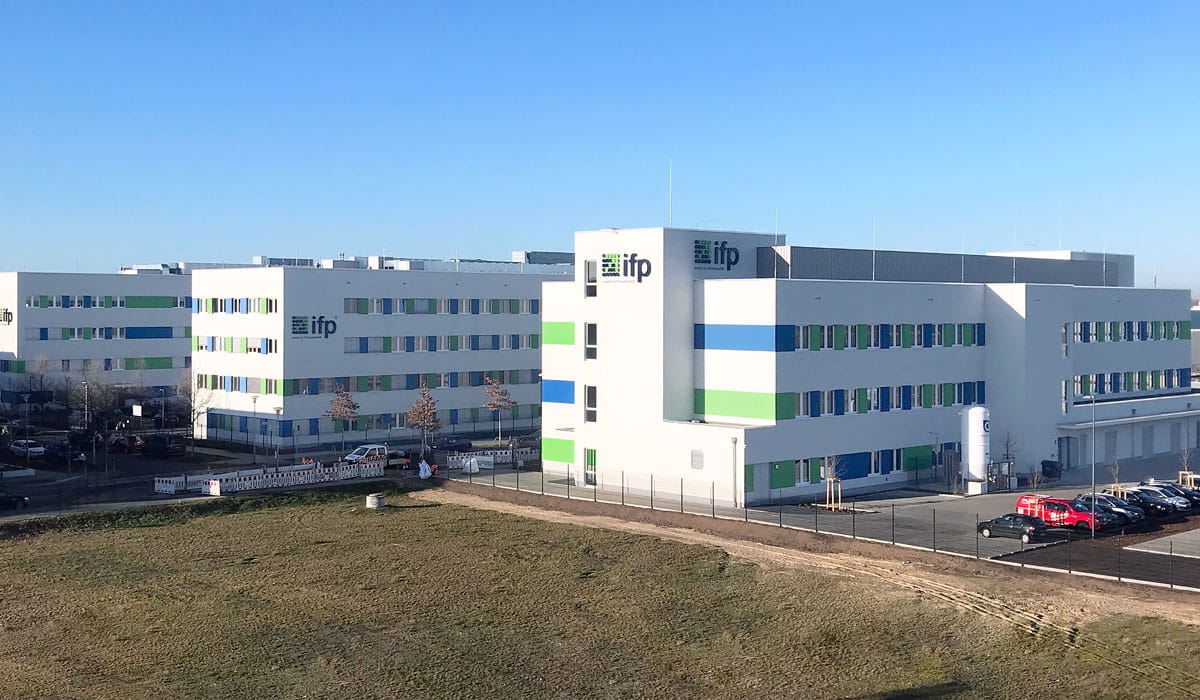
The Lab, Berlin
In September 2022 it was announced that GARBE Institutional Capital had acquired “The Lab” in Berlin for the GARBE Science and Technology Real Estate Fund 1. Through this, GARBE Institutional Capital has acquired an asset that provides long-term leased property for its fund investors. The property is located in the Adlershof Technology Park, an established innovation cluster in southeast Berlin, and is occupied by a tenant with a strong credit rating. The acquisition has been arranged as a sale and leaseback transaction. “The Lab” is a complex located on a 21,200 sq m (228,200 sq ft) parcel in the Treptow-Kopenick district of Berlin (Wagner-Regeny-Strasse 8+9), with a total rentable floor space of some 18,900 sq m (203,440 sq ft) and 122 parking spaces. The structure’s seven component parts were built between 2014 and 2019. The sole current tenant is the Institute for Product Quality (IfP), which is a respected market leader in the field of laboratory and food analysis as well as the analysis of animal feed, drinking water, and pharmaceuticals. IfP’s scope of activities also encompasses the development and production of diagnostics for use in examination and test laboratories. The company opted for a sale and lease back arrangement to generate additional funds for further growth and the strengthening of its leading market position. Remco van der Mije, Head of Science and Tech Business at GARBE Institutional Capital, commented that this prime property in an established innovation cluster fits perfectly into the strategy of the Science and Technology Real Estate Fund 1. The R&D asset is of strategic value to IfP, inextricably connected to its primary business processes. It is configured with 70 per cent lab space and 30 per cent office space and includes adjacent development land for future expansion.